Adaptive Cruise Control
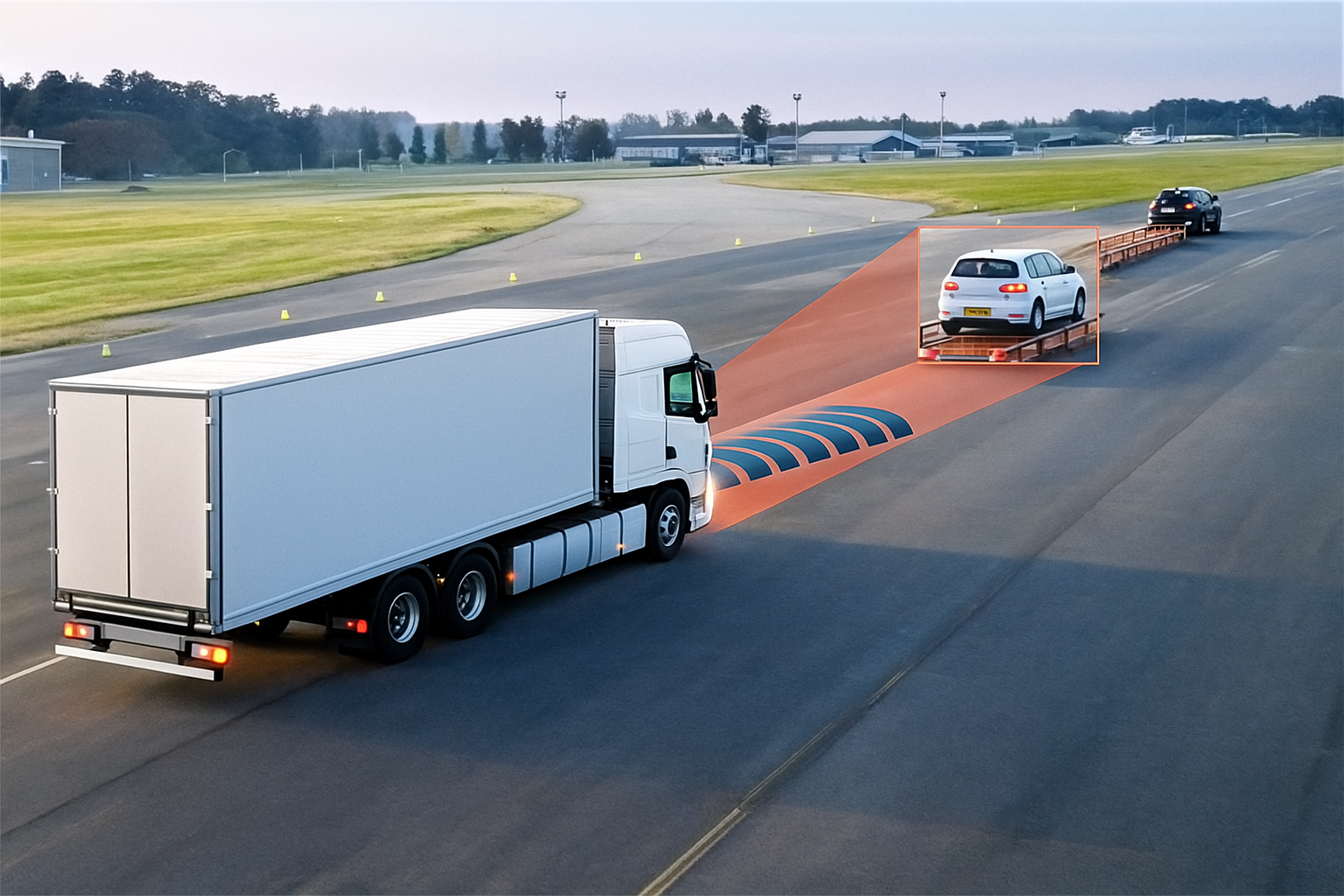
Adaptive Cruise Control (ACC) is an advanced form of cruise control that helps maintain a safe distance from the vehicle ahead. Also referred to as autonomous cruise control, active cruise control, intelligent cruise control or radar cruise control, ACC uses laser or radar technology to monitor the road and automatically adjust the car’s speed. When traffic slows, the system reduces speed, and it accelerates again when the road clears. Drivers activate ACC by turning it on, setting the desired speed, and adjusting the following distance using the “set” and “+” or “-” buttons. The system will alert the driver to apply the brakes if a vehicle ahead comes too close.
Unlike traditional cruise control, ACC adapts continuously to changing traffic conditions, typically operating over distances of up to 200 metres. It offers benefits such as maintaining a safe gap from other vehicles, reducing driver fatigue on busy roads, and promoting fuel efficiency through smoother driving. However, ACC systems can be affected by adverse weather or slippery surfaces, and vehicles equipped with this technology generally come at a higher cost.
While ACC provides an additional layer of safety and convenience, drivers remain responsible for overall control. Frequent commuters and those seeking the latest safety technology may find ACC particularly valuable, and its presence can also be considered by insurers in risk assessments.