Unresponsive Driver Intervention
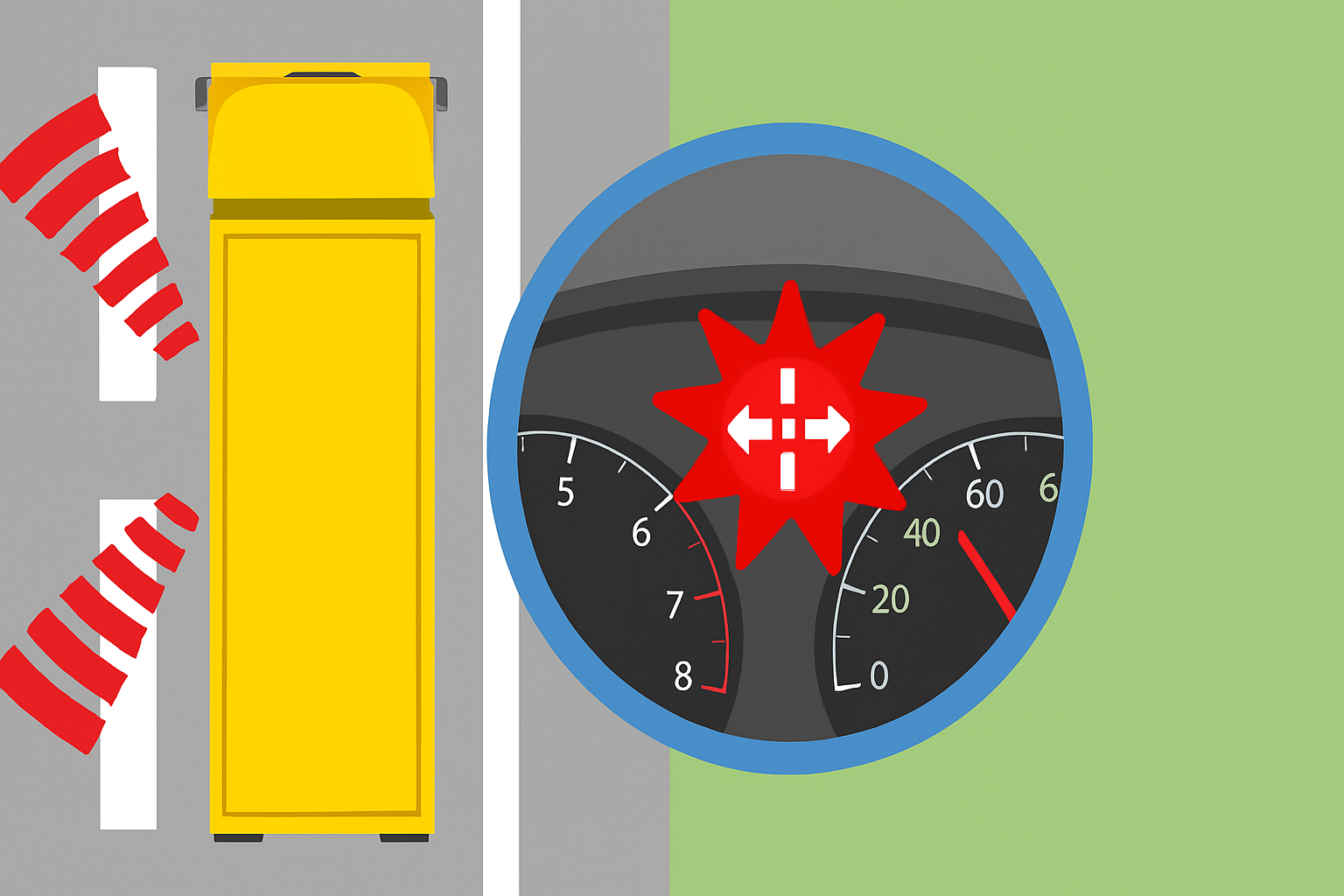
Unresponsive driver intervention is an important consideration in the ongoing development of active safety systems for passenger vehicles. Modern cars are increasingly equipped with drowsiness and attention detection technologies, which use sensors and steering wheel analysis to monitor driver attentiveness. When signs of fatigue or distraction are detected, these systems issue warnings, encouraging drivers to take a break and helping to prevent accidents before they occur.
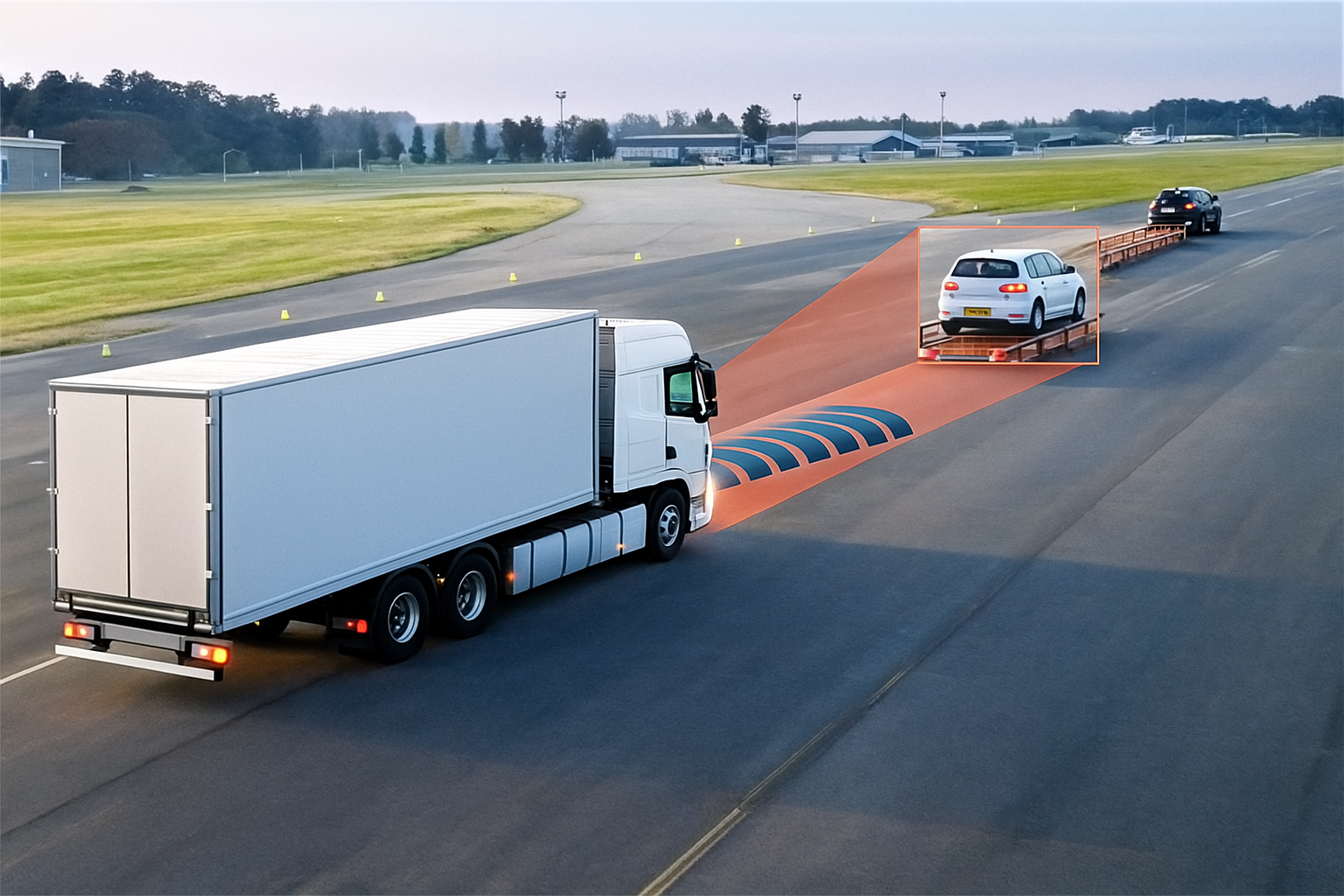
These technologies form part of the second wave of active safety measures, which also include sensors, cameras, radar, GPS and laser systems. Together, they work to detect hazards, prevent collisions and minimise the impact of emergency situations, giving drivers greater control in potentially dangerous scenarios. Active safety systems continuously monitor both the vehicle’s behaviour and its surroundings, intervening when necessary to support the driver and enhance overall safety.
Despite these advancements, unresponsive driver intervention remains a key challenge. Drivers who fail to react appropriately to warnings or critical situations can still be at risk, meaning that ongoing research and development are essential. Improving the accuracy and responsiveness of these systems is crucial to ensuring they provide effective support, reduce accident risk and ultimately enhance the safety of all road users.